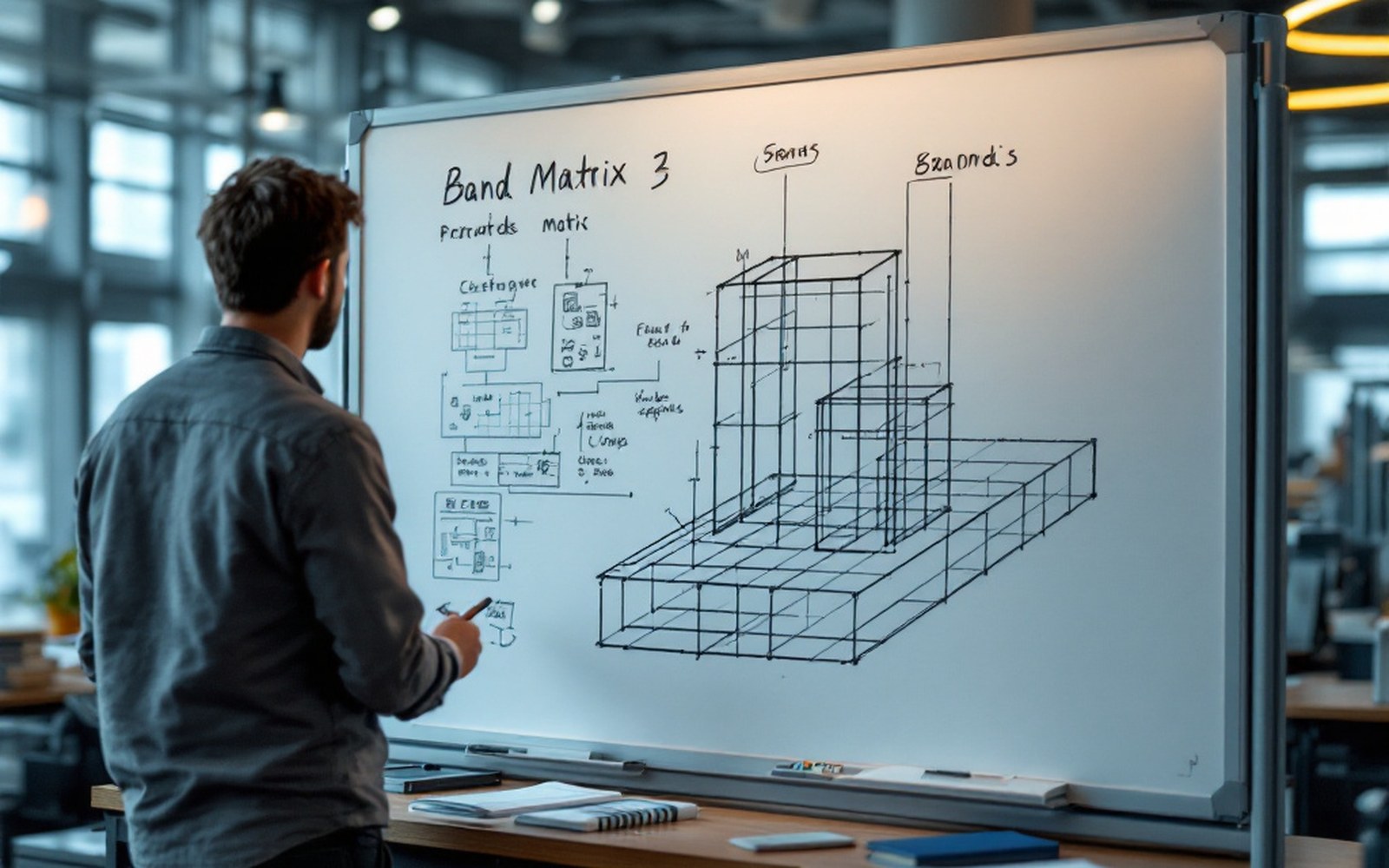
Section 01 · 4 pages
Cut it into pieces
Discretisation, and what it costs. The elements, the shape functions inside them, the assembly step that turns a pile of small matrices into one sparse system — and the 1950s aircraft work that set all of it in motion.
- 01A continuous body has infinitely many answersThe finite element method came out of aircraft structures in the 1950s and its central move — elements, local physics, one assembled sparse system — has not changed.
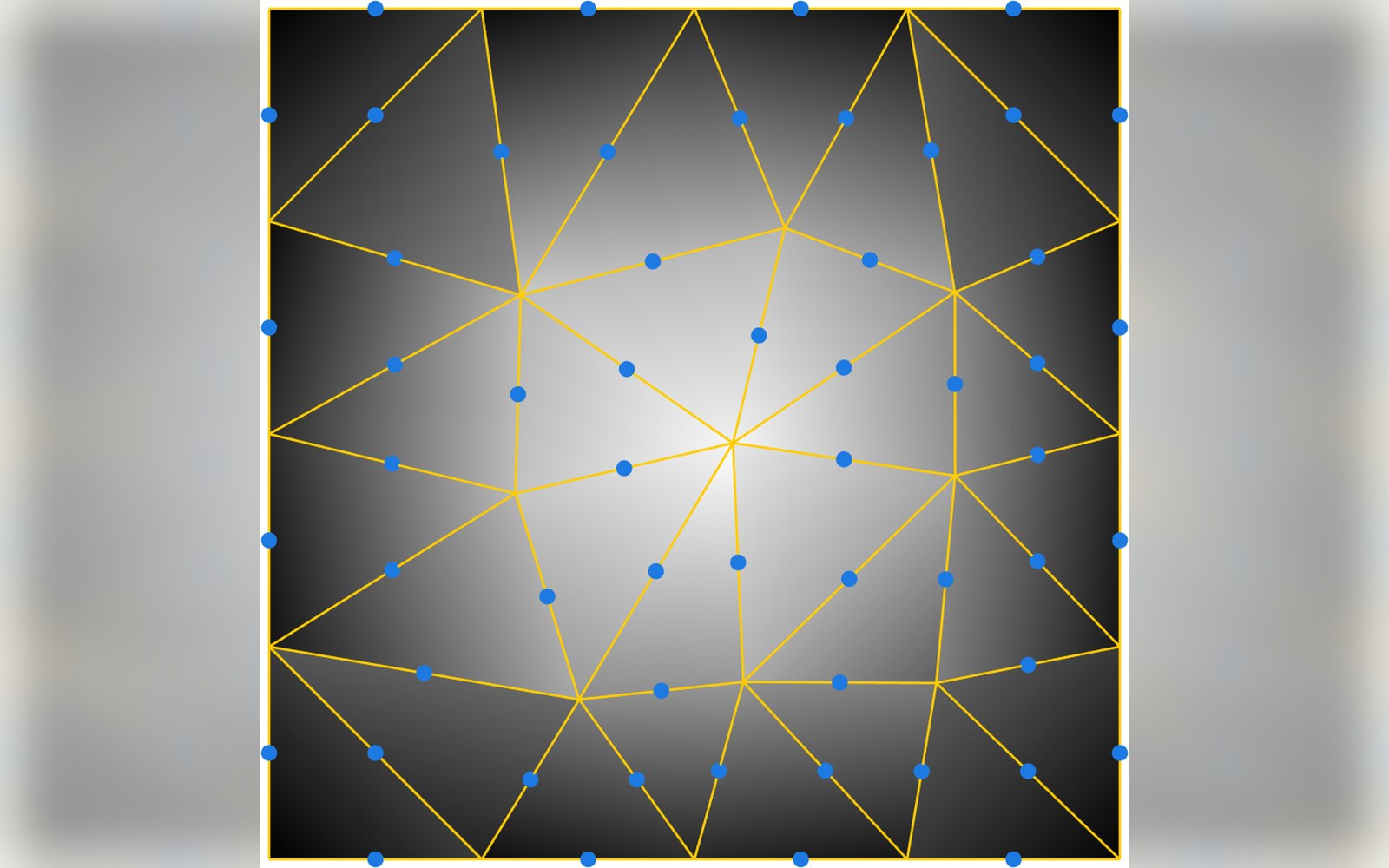
- 02Turner, Clough, Argyris, ZienkiewiczThe 1956 paper, the parallel European work, and the textbook that turned a technique into a discipline.

- 03What a shape function actually doesInterpolation inside an element is the whole approximation, and the order of it decides what the method can represent.
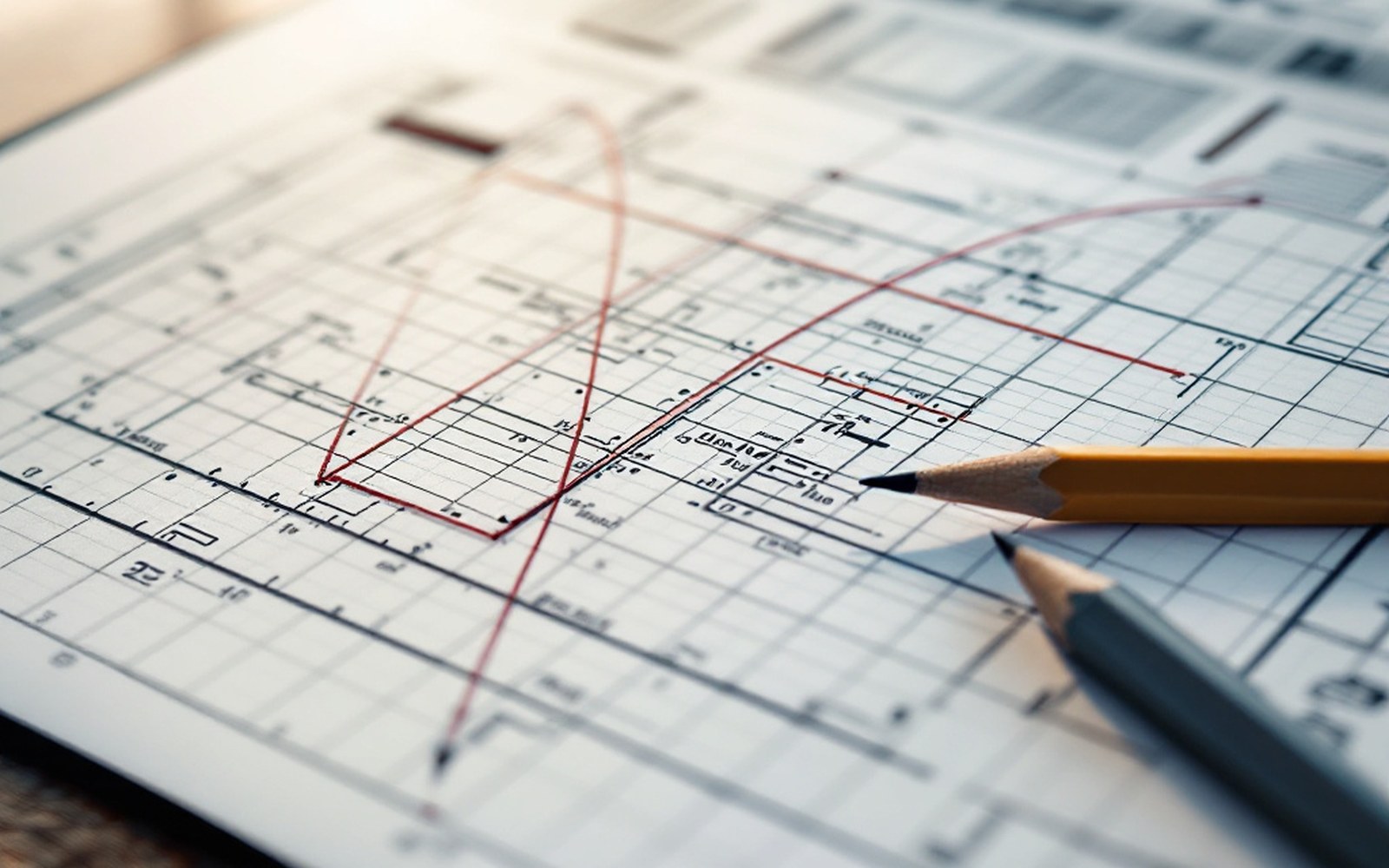
- 04Assembly, and why the matrix is nearly emptyEach element touches few neighbours, so the global system is sparse — which is the only reason any of this is tractable.