The complete list
Fifteen pages, four sections, one argument
Everything the site holds, in the order the subject falls into. The front page carries an edit of it; this page carries all of it.
Section 01
Cut it into pieces
Discretisation, and what it costs.
- 01A continuous body has infinitely many answersThe finite element method came out of aircraft structures in the 1950s and its central move — elements, local physics, one assembled sparse system — has not changed.
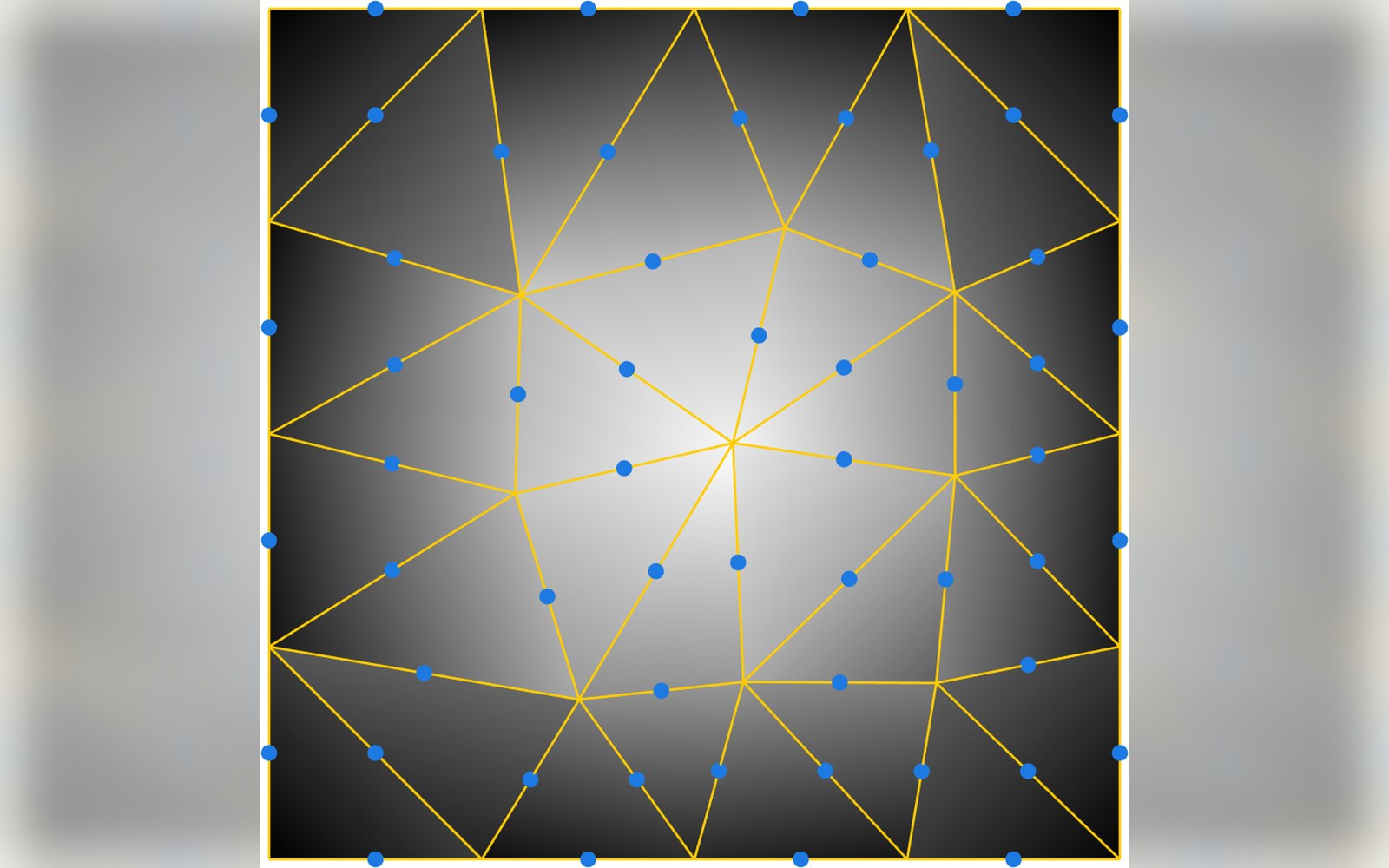
- 02Turner, Clough, Argyris, ZienkiewiczThe 1956 paper, the parallel European work, and the textbook that turned a technique into a discipline.

- 03What a shape function actually doesInterpolation inside an element is the whole approximation, and the order of it decides what the method can represent.
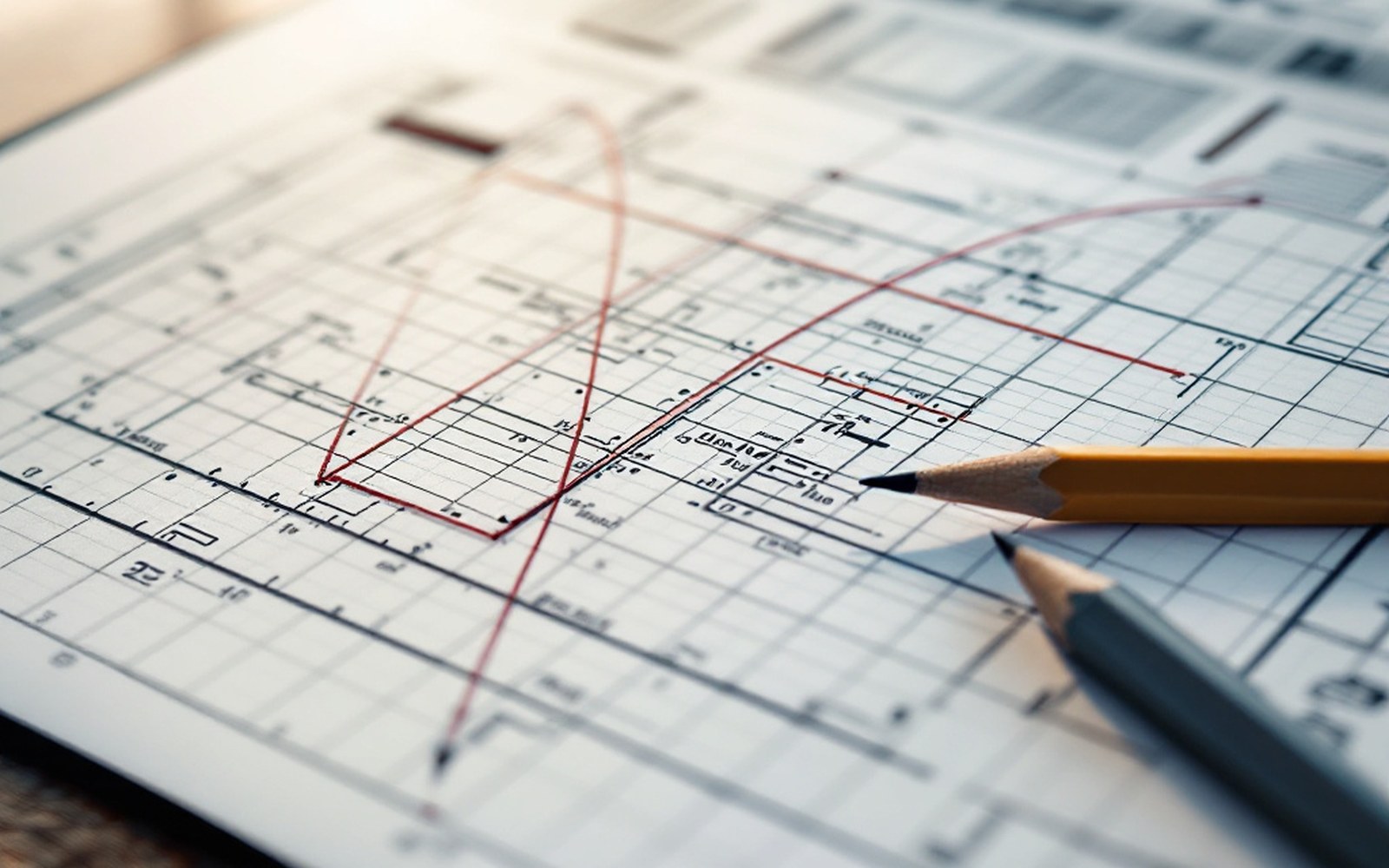
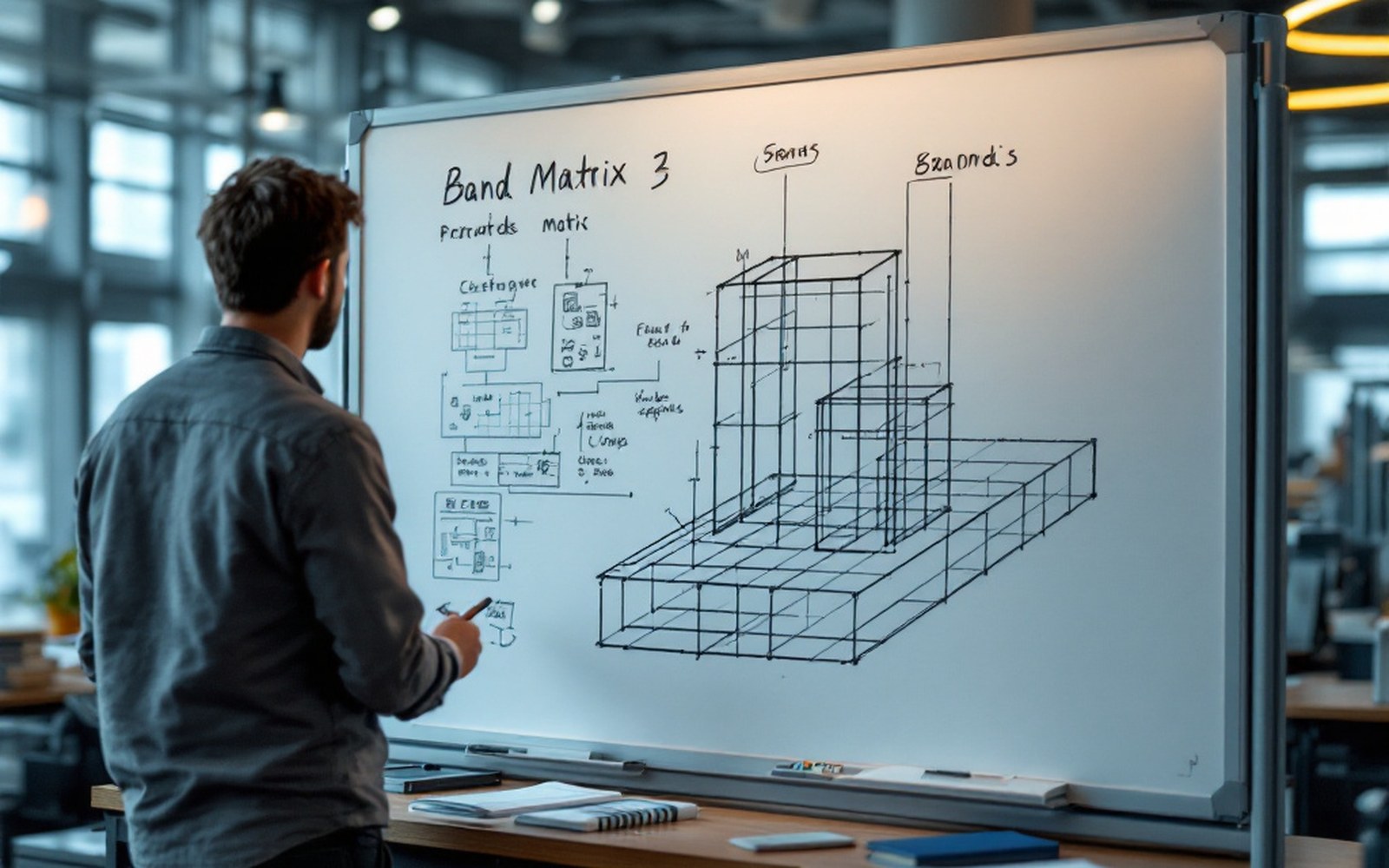
- 04Assembly, and why the matrix is nearly emptyEach element touches few neighbours, so the global system is sparse — which is the only reason any of this is tractable.
Section 02
Nobody's favourite job
Where the answer is won or lost.
- 01Nobody's favourite job, and where the answer is wonMeshing is where practitioners actually spend their time, and a badly shaped element poisons the solution around it.
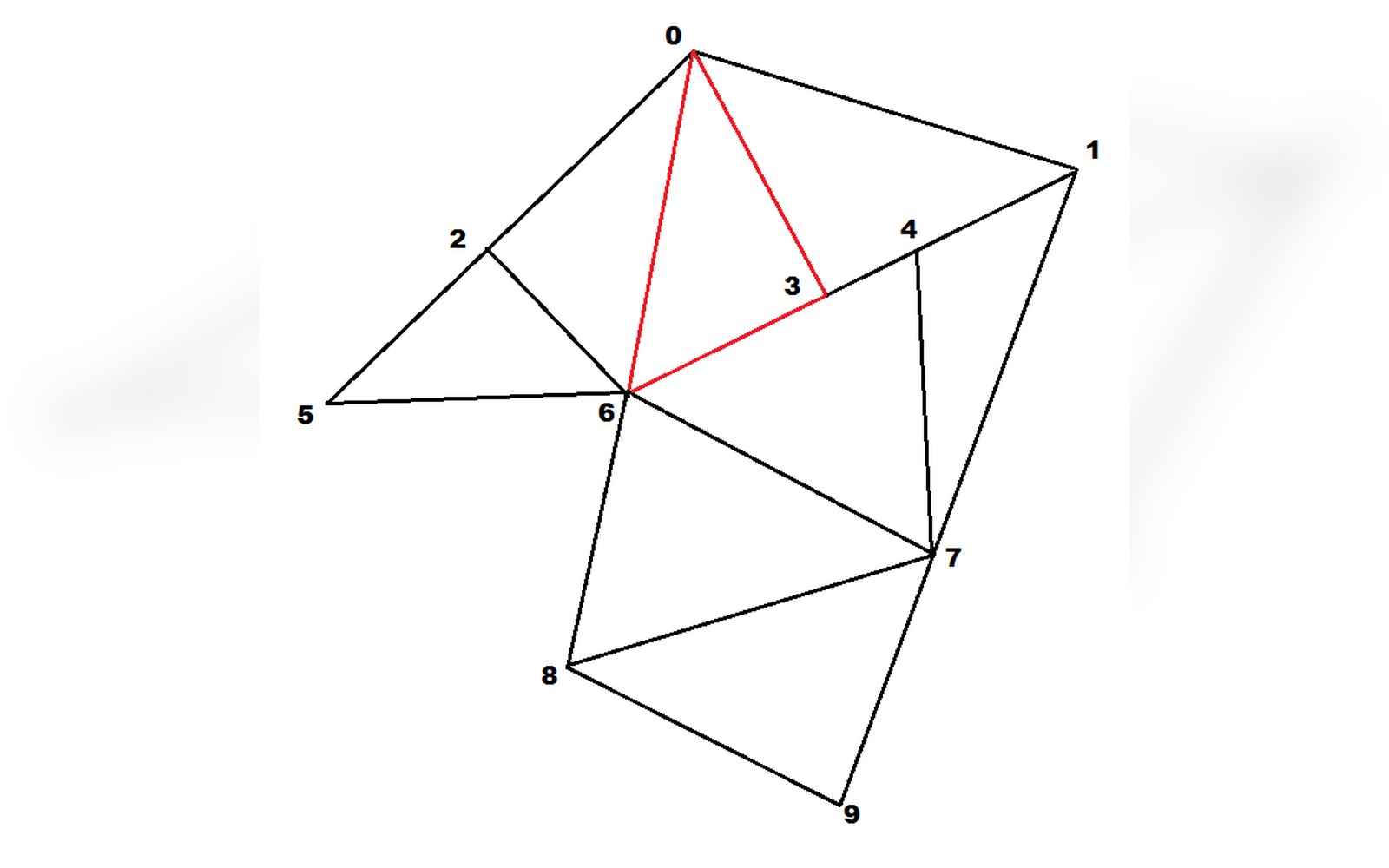
- 02Why element shape governs accuracyAspect ratio, skew and Jacobian are not aesthetics: they enter the error bound directly.
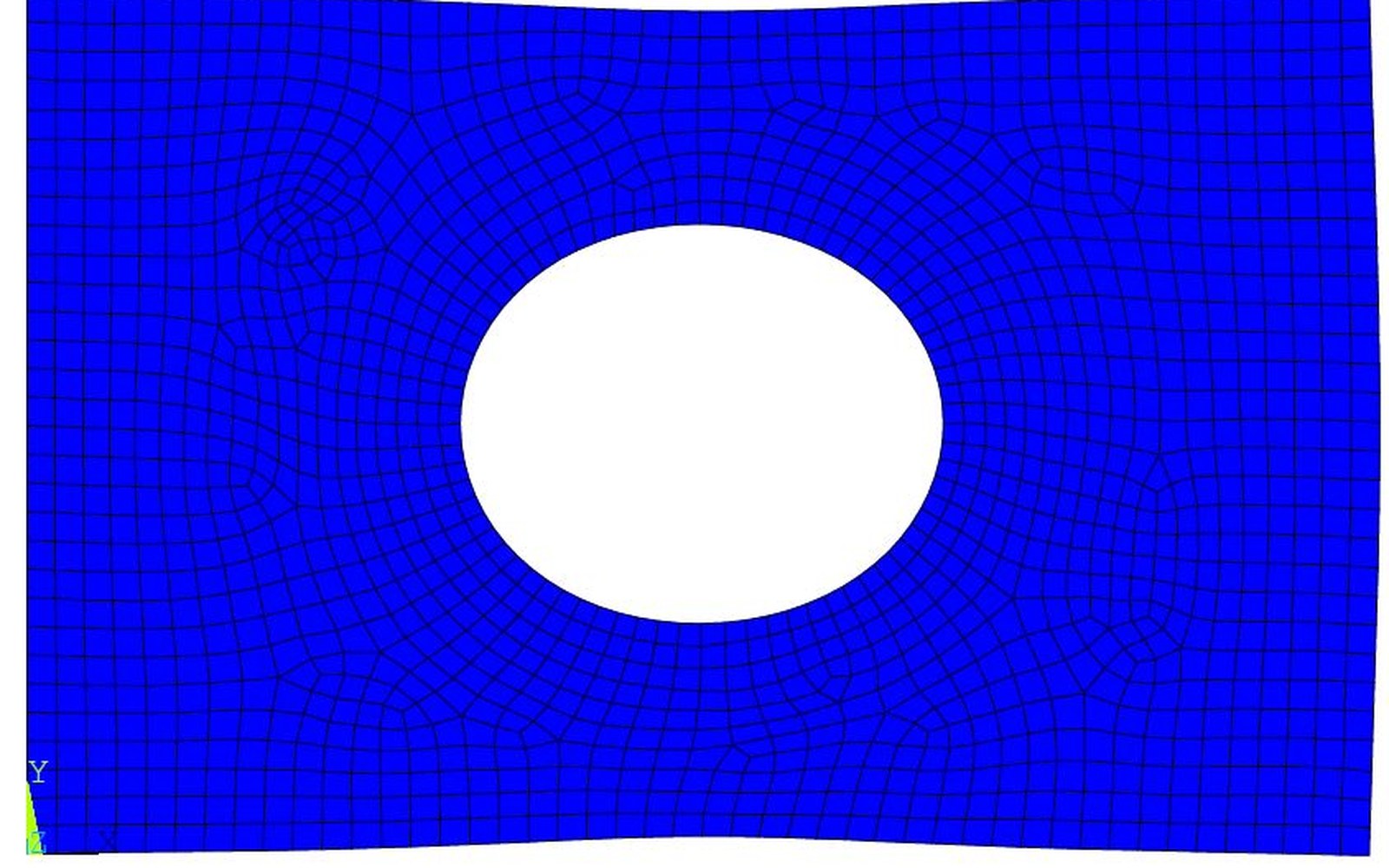
- 03The angle that actually mattersMinimum angle, maximum angle and what each one breaks — the quality metrics that mesh generators report.

- 04Structured against unstructuredHex meshes are better behaved and far harder to make; tets are automatic and less forgiving.

Section 03
Direct against iterative
Solvers, size and conditioning.
- 01Direct against iterativeFactorisation is robust and memory-hungry; iteration is cheap and depends entirely on the preconditioner.

- 02Conditioning, and why it bitesA poorly conditioned system converges slowly or not at all, and mesh quality is usually the reason.

- 03RANS, LES and DNS — three bargainsTurbulence is the open problem, and each approach trades cost against how much of it is modelled rather than resolved.
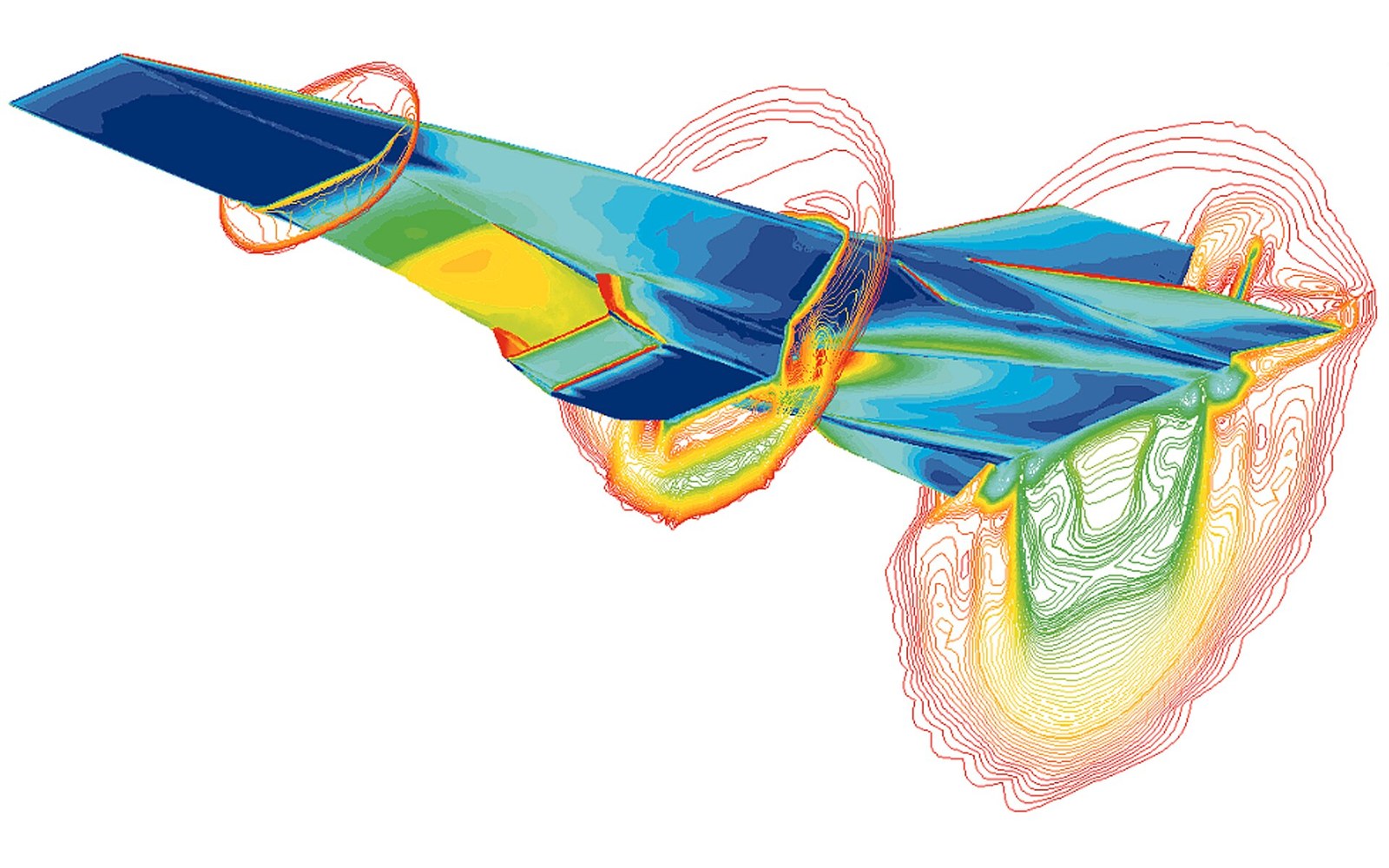
- 04Parallel, and the partitionSplitting a mesh across processes is its own graph problem, and load balance decides the wall clock.

Section 04
Solved right, or the right equations
Verification and validation.
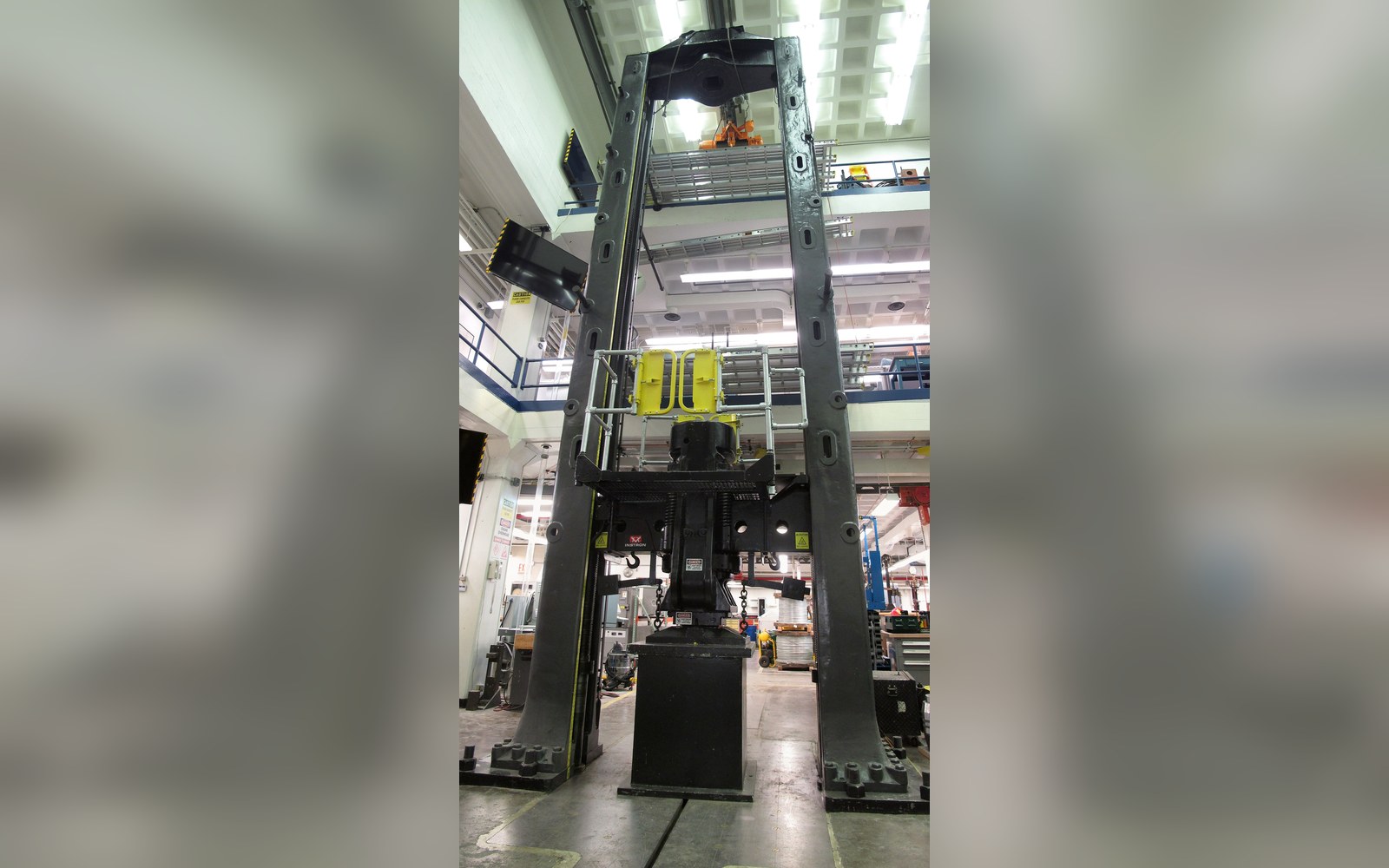
- 01Solved right, or the right equationsVerification asks whether the mathematics was done correctly; validation asks whether the model matched reality. They are different questions.
- 02The method of manufactured solutionsInventing an exact answer and forcing the equations to produce it is how a code is checked without an experiment.
- 03Where the theory stops and the mesher startsError estimates assume things about the mesh that real geometry rarely provides.