Section 03 · 4 pages
Direct against iterative
Solvers, size and conditioning. Factorise or iterate, what conditioning does to either choice, how turbulence changes the bargain, and what happens when a mesh is split across processes.
- 01Direct against iterativeFactorisation is robust and memory-hungry; iteration is cheap and depends entirely on the preconditioner.

- 02Conditioning, and why it bitesA poorly conditioned system converges slowly or not at all, and mesh quality is usually the reason.

- 03RANS, LES and DNS — three bargainsTurbulence is the open problem, and each approach trades cost against how much of it is modelled rather than resolved.
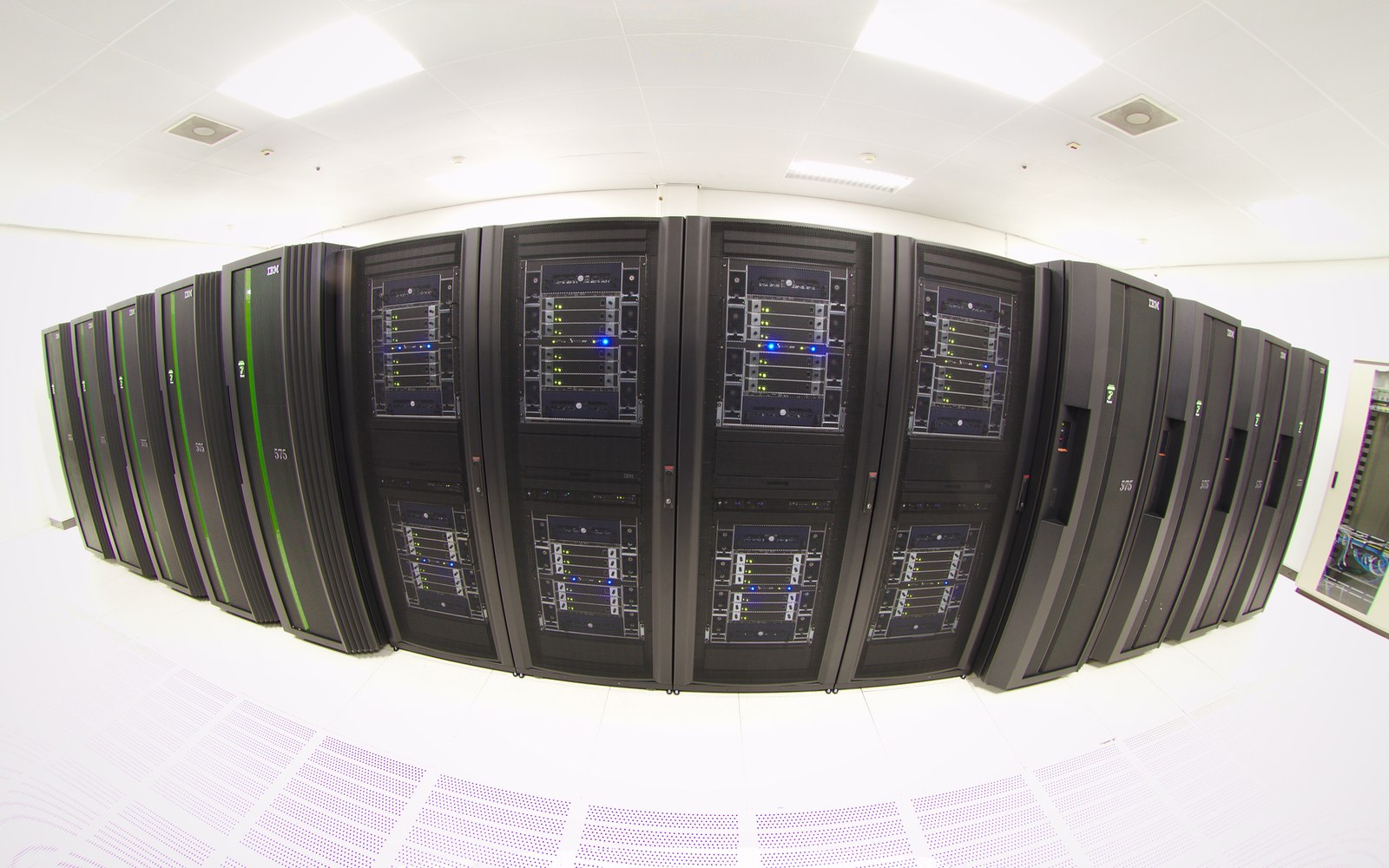
- 04Parallel, and the partitionSplitting a mesh across processes is its own graph problem, and load balance decides the wall clock.